

Design Experience
Turning complex requirements, business logic, and product constraints into clear, usable design solutions.
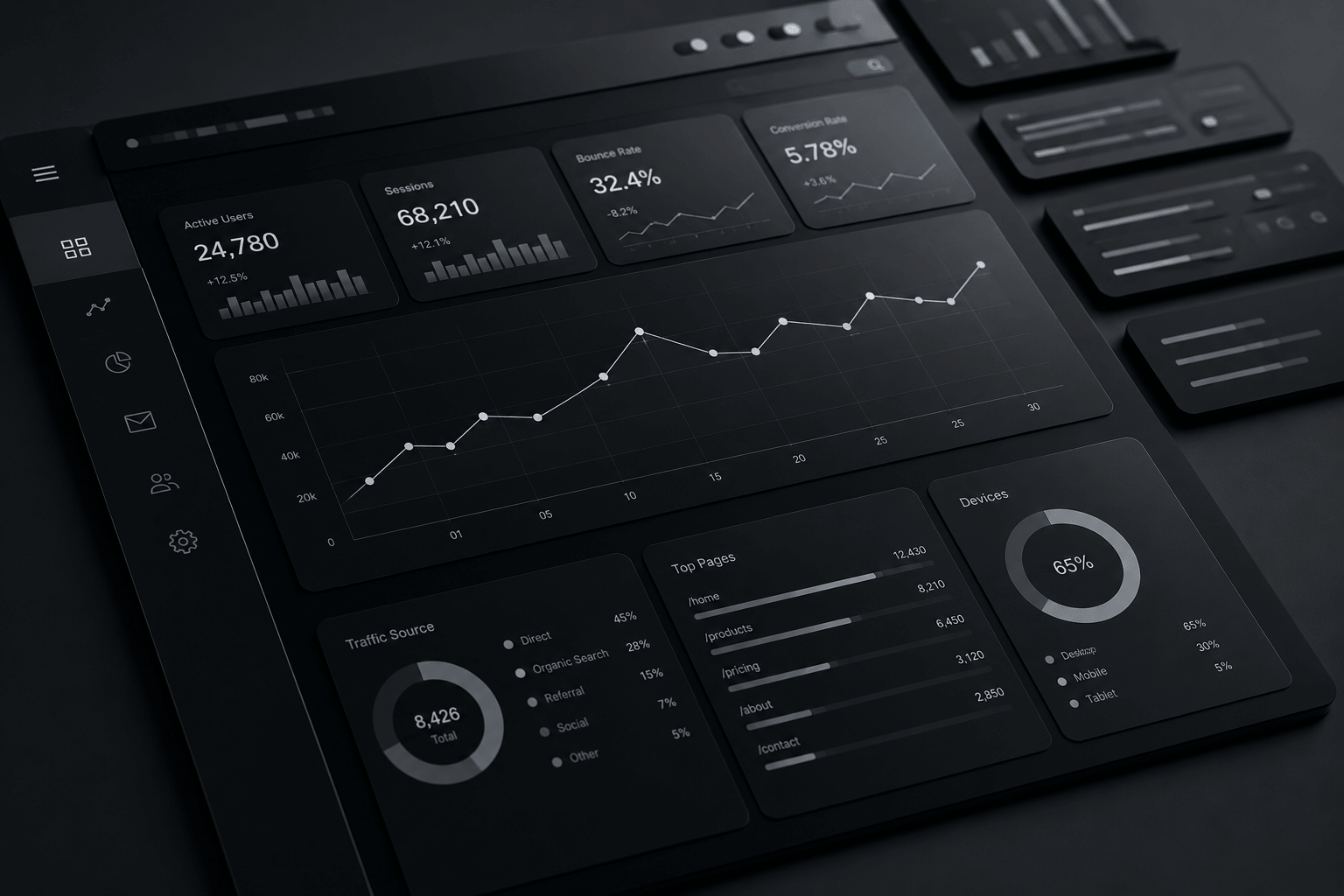
My design experience comes from complex product environments where design had to work with real business logic, stakeholder requirements, technical constraints, and delivery expectations.
The work covered B2B and B2E products, enterprise platforms, dashboards, admin tools, workflow systems, operational interfaces, and internal business applications.
The focus was not only on creating screens, but on making complex systems more understandable, usable, and practical for people who rely on them in their work.
A large part of my experience comes from enterprise and business-oriented products where workflows, permissions, data, processes, and stakeholder needs create additional complexity. These products often required understanding business logic first, then translating it into usable structures, flows, and interfaces.
Covered areas:
• B2B / B2E products
• Enterprise platforms
• Internal business platforms
• Audit software
• Administrative systems
• Business-heavy workflows
• Complex product logic
• Requirement-driven design
Enterprise environments often came with strict business requirements, large stakeholder structures, delivery constraints, and limited space for idealized design processes. This required practical UX decisions that could balance user needs, client expectations, business goals, and technical feasibility.
Strong interface design depends on strong structure underneath. I worked with user flows, information architecture, product logic, and UX strategy to make complex requirements easier to understand and use.
Covered areas:
• Information architecture
• User flows
• UX strategy
• Product thinking
• Interface logic
• Workflow optimization
• Requirement translation
• Usability improvements
A lot of the work involved turning scattered requirements, business logic, and stakeholder input into clearer flows and more usable product structures. When requirements or flows felt weak, I proposed improvements and helped clarify design logic before development or client review.
The product work included interfaces that support structured tasks, operational decisions, data review, and day-to-day business activities. These were not marketing pages or simple websites. They were tools where clarity, consistency, and workflow logic directly affected usability and efficiency.
Covered areas:
• Dashboards
• Admin panels
• Workflow systems
• Operational tools
• Forms and questionnaires
• Data-heavy interfaces
• Internal tools
• User task flows
The work often involved organizing complex information, improving screen logic, reducing friction, and making flows easier to follow. Design decisions had to support both immediate task completion and long-term product consistency.
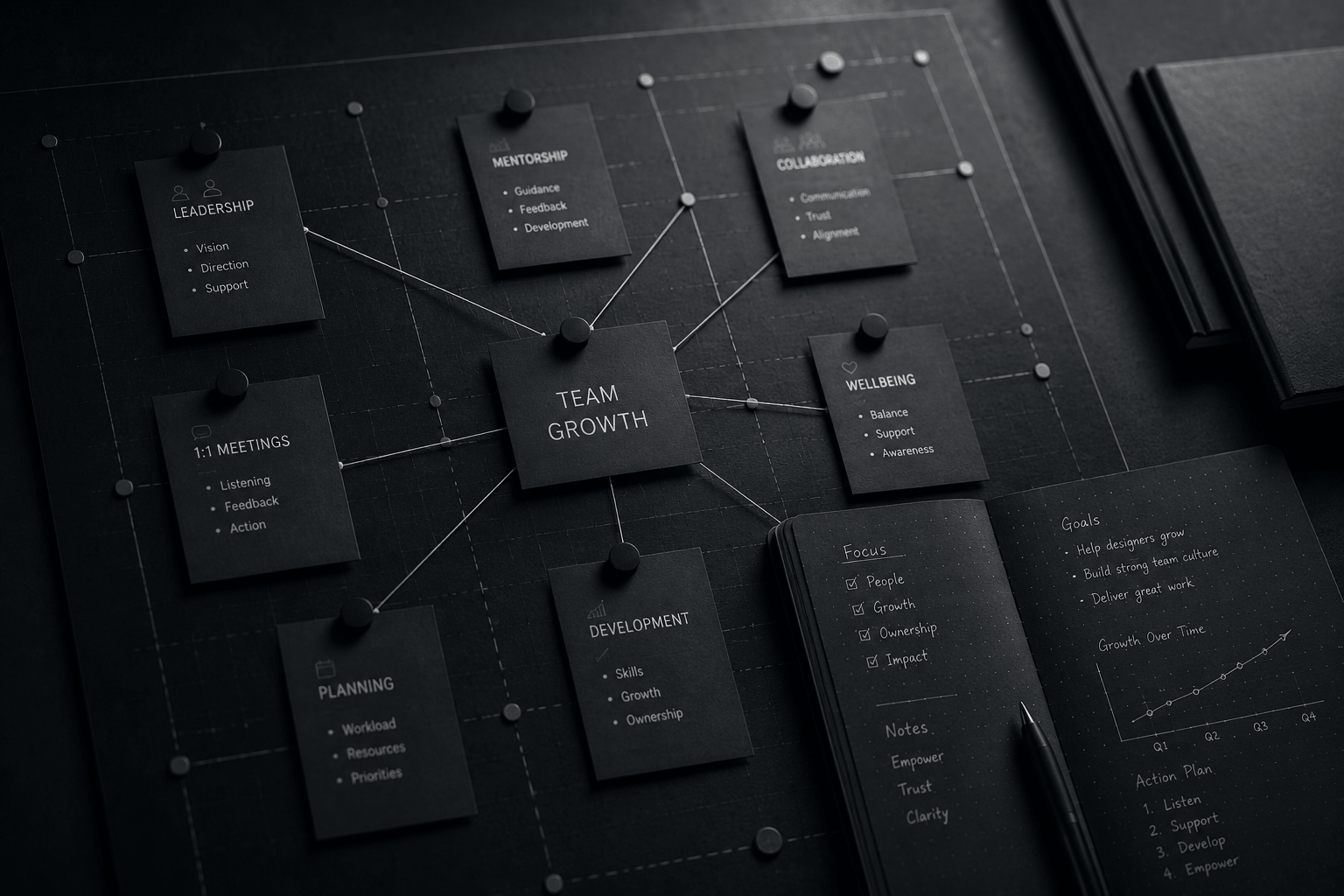
Product design in enterprise environments depends heavily on collaboration. I worked with product managers, engineers, business analysts, project leads, stakeholders, delivery teams, and other designers to align design decisions with business, technical, and project realities.
Covered areas:
• Product managers
• Engineers
• Business analysts
• Project leads
• Stakeholders
• Delivery teams
• Designers
• Client communication when needed
Collaboration included clarifying requirements, explaining design decisions, reviewing feasibility, aligning priorities, and defending better user experience when requirements needed refinement. This helped connect design work with product goals, technical constraints, and delivery expectations.
AI should not be positioned here as large-scale transformation ownership. In my product work, AI appeared as a practical opportunity to improve workflows, guidance, and task completion inside tools.
Covered areas:
• AI-assisted product ideas
• Workflow improvements
• User guidance concepts
• Questionnaire and assessment flows
• Weak point identification
• Better answer quality
• Product improvement discussions
Examples included proposing or discussing AI-assisted improvements that could help users complete questionnaires, receive better guidance, identify weak points, or improve the quality of their responses. The focus was practical product value, not technology for its own sake.
Value
• Product clarity
• Workflow usability
• Interface structure
• Business-user alignment
• Design quality before handoff
• Collab with engineering and delivery
• Ability to work with real constraints
• Practical decision-making in complex environments