


Design Processes
Keeping design work consistent, documented, and easier to scale across teams, projects, and delivery cycles.
My process-related experience covers the systems, standards, documentation, delivery practices, and working frameworks that help design work stay consistent, visible, and easier to continue across teams and projects.
This is not positioned as a dedicated DesignOps role. It is the operational and systems layer of Design Lead work: making sure design quality, project context, documentation, and delivery expectations are easier to manage and scale.
Some practices were created from scratch in specific contexts. Some were already part of the wider team or company ecosystem. My work included building, supporting, applying, improving, and helping designers work within these structures.
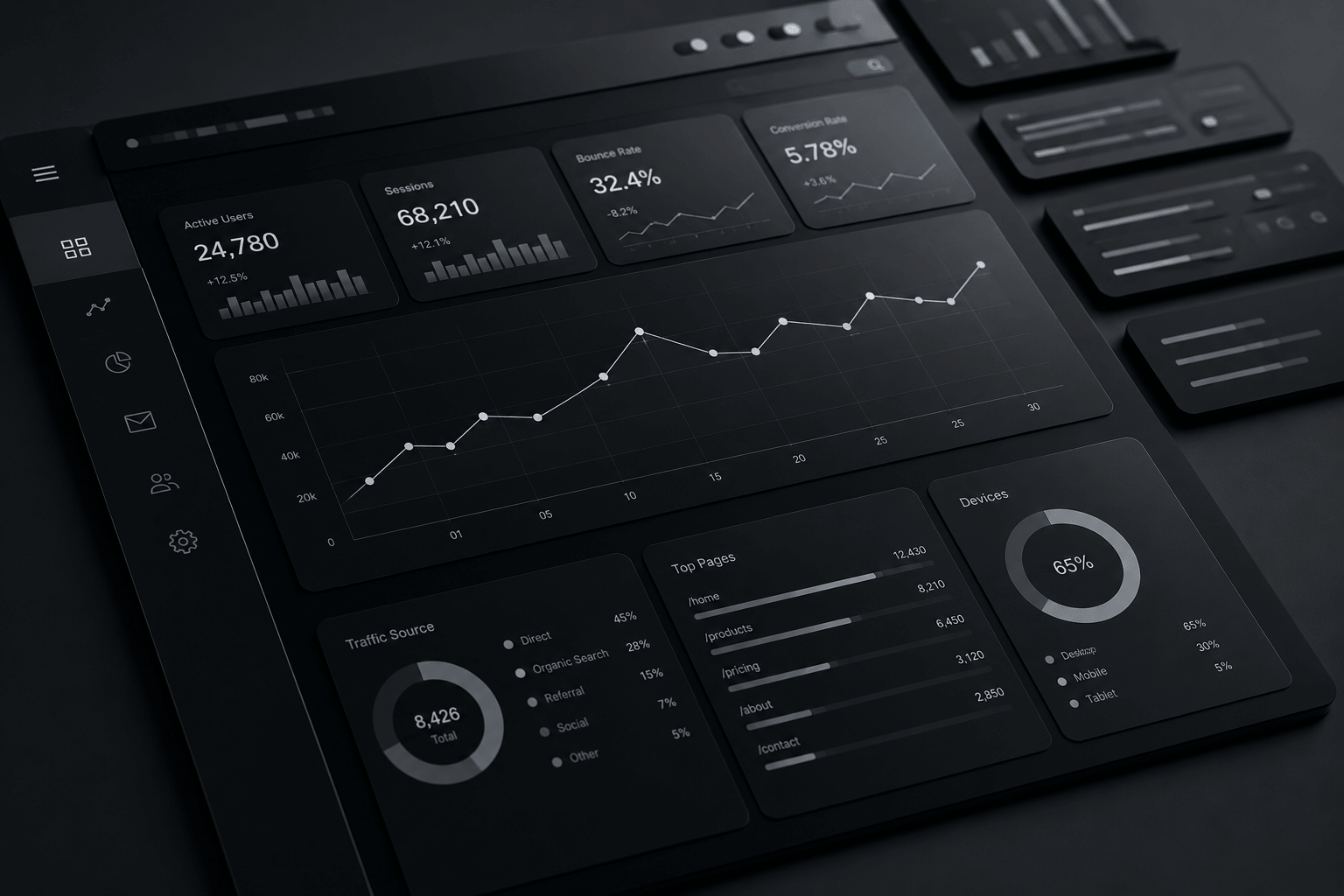
Design systems and standards help teams move faster without losing consistency. My experience included working with design systems across different project contexts: building systems from scratch where needed, supporting existing systems, helping designers adopt shared patterns, and reviewing work against established standards.
Covered areas:
• Design systems
• Design system creation in specific project contexts
• Design system support
• Design system evolution
• Design system adoption
• Reusable patterns
• Components
• Design standards
• Governance practices
• Figma hygiene
• Consistency
• Quality control
• Shared design ecosystems
• Cross-project alignment
In some projects, the work involved creating design system foundations from scratch. In others, it involved maintaining consistency, supporting contributors, helping designers work inside existing ecosystems, and using standards as a working framework. The goal was to make design quality more scalable and less dependent on individual interpretation.
Good documentation helps teams avoid losing context. I worked with project documentation and project knowledge structures that helped preserve important information beyond mockups.
Covered areas:
• Project documentation
• Project cards
• Project knowledge structures
• Knowledge transfer
• Project continuity
• Responsible designer tracking
• Project Lead information
• Client contacts
• Project descriptions
• Documentation links
• Mockups
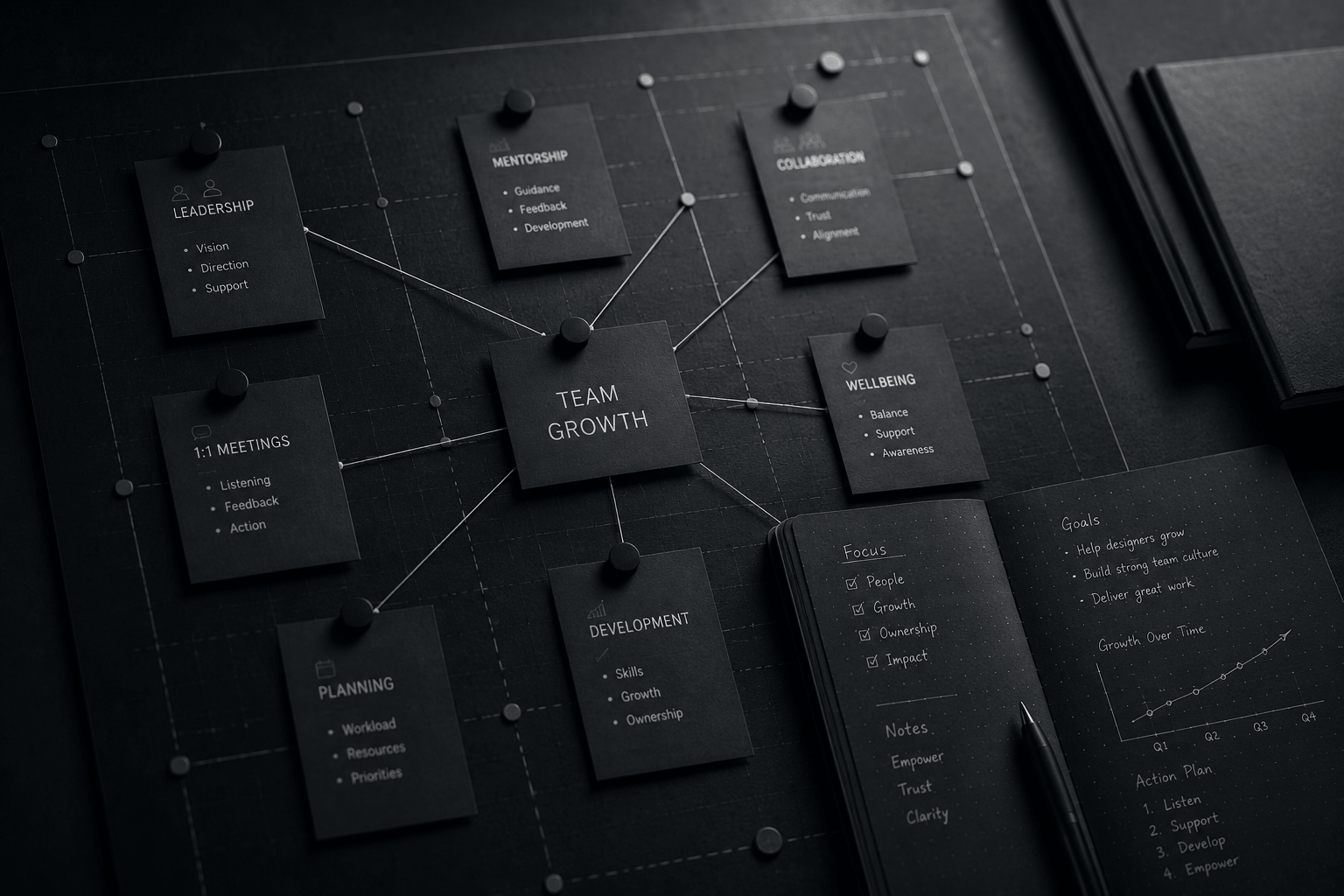
• Mind maps
• Supporting materials
• Stakeholder context
• Ownership information
• Additional project resources
Project cards could include responsible designer, project lead, client contacts, project description, documentation, mockups, mind maps, and supporting materials. This helped preserve project memory when designers rotated, mockups were frozen, backup was needed, or someone had to understand project context quickly.
Processes and standards are especially valuable when new people join or designers move between projects. I supported onboarding and adaptation through structured materials, onboarding decks, process documentation, and shared working practices.
Covered areas:
• Onboarding materials
• Onboarding deck
• Team process documentation
• Designer adaptation
• Designer rotation support
• Backup readiness
• Knowledge continuity
• Project transitions
• PTO backup support
Onboarding materials helped new designers understand tools, workflows, standards, communication practices, and team expectations. Shared systems and documentation made project transitions smoother and reduced dependency on informal explanations.
Design delivery works better when priorities, estimates, risks, and responsibilities are visible. I worked with structured delivery environments and planning practices that helped align design work with project expectations.
Covered areas:
• Azure DevOps workflows
• Prioritization
• Estimation
• Delivery planning
• Planning documents
• Time-tracking analysis
• Team allocation visibility
• Risk communication
• Weekly reporting
• Process refinement
• Retrospectives
• Process audits
• Gradual workflow improvements
• Operational consistency
This included working with Azure DevOps, estimating tasks, aligning priorities, reviewing workload, tracking time, reporting risks and opportunities, and refining processes based on team or project needs. The focus was not bureaucracy. The goal was to make delivery clearer and reduce avoidable chaos.
Quality control is part of making design work reliable. I supported design reviews, consistency checks, handoff readiness, and feedback loops to make sure work met project expectations, company standards, and client requirements.
Covered areas:
• Design reviews
• Quality checks
• Figma hygiene
• Consistency checks
• Handoff readiness
• Standards review
• Client review readiness
• Development handoff
Designs were reviewed before development handoff or client review to identify issues with consistency, logic, standards, file quality, or readiness. This helped maintain quality across different designers, projects, and delivery cycles.
Value
This leadership layer helped improve:
• Design consistency
• Project continuity
• Delivery visibility
• Onboarding speed
• Designer rotation
• Backup readiness
• Knowledge transfer
• Quality control
• Team alignment
• Operational resilience